REAL ESTATE TOKENIZATION


A Way Forward in Real Estate Industry.

A legit way to go ahead with
real estate tokenization

Tokenization has the potential to radically alter how individuals invest in real estate throughout the world. To capitalize on this opportunity, blockchain developers and their professional advisers must carefully consider and plan

The Real Estate sector is witnessing a tremendous transformation as a result of the use of blockchain technology. Real estate tokenization on the blockchain has opened up the market to individuals who have an interest in real estate but have been unable to join owing to a lack of cash. It has also addressed the industry's underlying problems, such as a lack of transparency, trust, and speed.

Blockchain technology is not a novel notion. It's been there for a while, but it's just recently gained popularity.

In recent years, blockchain technology has been used by a range of businesses, delivering significant benefits and innovation. One of the industries where blockchain will have a huge impact is real estate. Using blockchain technology, users may tokenize homes, houses, and apartments and represent them on the blockchain.

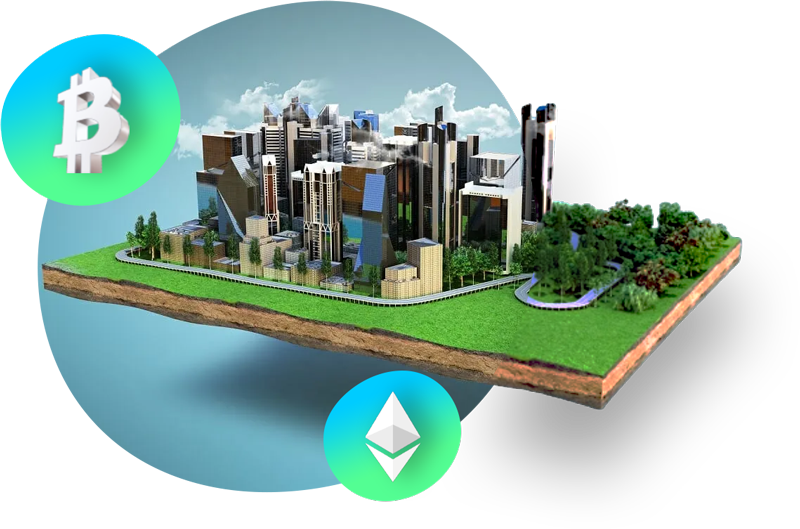
Real estate tokenization is the process of converting a real estate asset into a blockchain token and selling it.

You may also create tokens for properties that are still being built. These tokens can be used to represent a real estate interest or to raise funding for the development of investment properties.

Token investing lowers costs and increases freedom since everyone may own real estate and profit from it.

The website simplifies the process and eliminates superfluous formalities. By acquiring a token, the user receives property rights without the need for a mortgage or real estate paperwork.

Real estate is a popular destination for foreign direct investment in the GCC region.

As a result, real estate is undeniably one of the most important asset classes, and the region's embrace of blockchain technology makes it an excellent sector for integrating blockchain and tokenization.

Lack Of Legal Structure

One of the primary challenges surrounding real estate tokenization initiatives, however, is a lack of information about legally structuring tokenization and enabling transactions on blockchain. The lack of current regulations has created significant barriers to becoming accepted in a bigger arena.

Process of Real Estate Tokenization


How is Real Estate Tokenization Beneficial?

Real estate tokenization offers a number of features that make it a significantly more efficient investment alternative than any other previously accessible option.

Fractionalization

Tokenization lowers investment entry barriers by fractionalizing high-value assets into tokens, allowing access to a broader pool of global investors.

Operational Efficiency

'Smart contracts,' or programmable operations on the blockchain, enable the automation of numerous processes, including investor whitelisting, regulatory checks, and post-issuance activities such as dividend distribution.

Flexibility

Because tokens may be readily purchased and sold, investors have greater flexibility in controlling their day-to-day exposure to a certain class, area, or kind of real estate. This allows businesses to decrease portfolio risks more efficiently.

Decrease in Fraudulent Activities

Because tokens may be readily purchased and sold, investors have greater flexibility in controlling their day-to-day exposure to a certain class, area, or kind of real estate. This allows businesses to decrease portfolio risks more efficiently.

Reduced Settlement Period

Investors can settle tokenized goods transactions faster than traditional financial transactions. Tokenized transactions may be completed instantly, as opposed to normal ones, which might take days or even weeks.

Several real-estate tokenization approaches are currently being explored, including

  • Timeshares
  • Tokenized REITs
  • Shares in Real Estate Fund
  • Investments in and loans to development projects
  • Ownership of Real Estate Through a Special Purpose Vehicle

Organizations interested in developing a real-estate token must consider a number of legal and other issues before starting their products. These are exceedingly complex issues that require the assistance of experienced real estate, securities, tax, and blockchain lawyers and other professionals

Frequently Asked Questions

Real estate tokenization is the process of converting ownership of a property or real estate asset into digital tokens on a blockchain. Each token represents a fractional share of the property, allowing investors to buy, sell, or trade portions of real estate assets digitally.
Real estate tokenization in the UAE typically involves legally structuring the property through a special purpose vehicle (SPV) or similar entity. Digital tokens representing ownership rights are then issued on a blockchain platform, allowing investors to participate in fractional property ownership while complying with UAE regulations.
Various types of real estate assets can be tokenized, including residential properties, commercial buildings, real estate funds, rental properties, hotels, and large infrastructure developments. Tokenization makes these assets more accessible to investors by enabling fractional ownership.
Real estate tokenization offers several benefits such as fractional ownership, improved liquidity, lower investment barriers, increased transparency through blockchain records, and easier global investor participation in property investments.
Yes, real estate tokenization can be conducted in the UAE within regulated frameworks. Jurisdictions such as Abu Dhabi Global Market (ADGM) and Dubai’s Virtual Assets Regulatory Authority (VARA) provide regulatory environments that support digital assets and tokenized investment structures.
Blockchain technology and smart contracts are the primary technologies used for tokenizing real estate. Smart contracts automate ownership rights, investor distributions, and transaction records, ensuring transparency and efficiency.
Yes. One of the main advantages of tokenization is fractional ownership. Investors can purchase smaller portions of high-value real estate assets through digital tokens, making property investment more accessible and diversified.
Real estate tokenization projects must comply with financial regulations, securities laws, digital asset rules, and investor protection requirements. Proper legal structuring and regulatory approvals are essential to ensure compliance and investor confidence.
Some challenges include regulatory compliance, property valuation accuracy, investor protection, technology infrastructure, and ensuring proper legal rights linked to token ownership. These factors must be carefully addressed when launching tokenized real estate projects.
The UAE is emerging as a global hub for blockchain and digital asset innovation due to its supportive regulatory frameworks, advanced financial ecosystems, and strong government support for fintech and Web3 technologies.
Finjuris provides advisory services for structuring real estate tokenization projects in the UAE. The firm assists with legal frameworks, regulatory compliance, blockchain integration strategy, and the establishment of compliant digital asset structures.
Finjuris combines expertise in blockchain advisory, financial regulation, and digital asset frameworks to support real estate tokenization initiatives. Their advisory services help businesses launch secure, compliant, and scalable tokenized real estate projects in the UAE.