Real Estate Tokenization: The Future of Property Investment
This article explores what real estate tokenization is, how it works, the opportunities it creates, and why it could transform real estate investing in the years ahead.
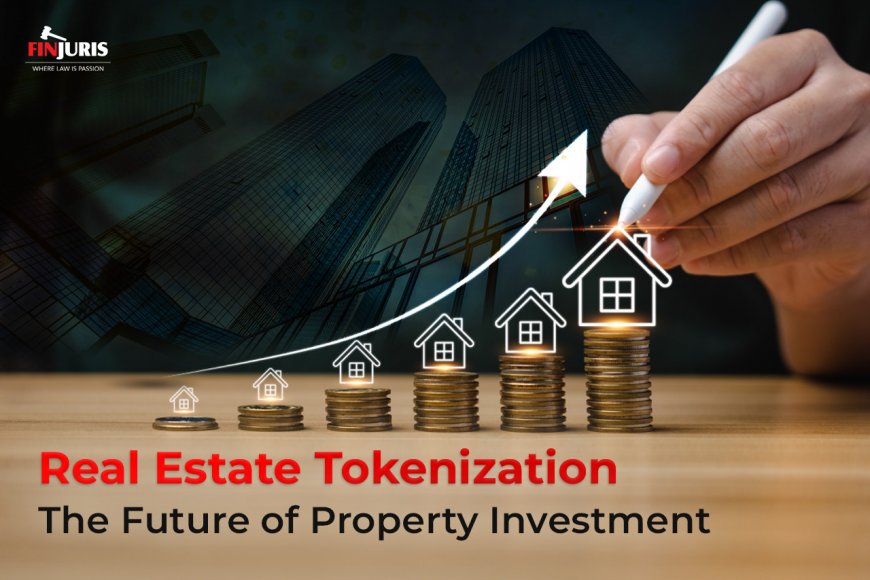
Real estate around the world is experiencing a quiet but powerful revolution. For decades, purchasing property required heavy capital, complex paperwork, and long-term commitments. Today, a new concept is reshaping this traditional model: real estate tokenization. Powered by blockchain technology and digital assets, investors can now own small fractions of high-value properties and trade them with relative ease, similar to buying stocks. This shift has the potential to democratize access to premium real estate and redefine global investment.
While tokenization is still emerging, fast-growing markets like Dubai are accelerating its global recognition. As investors seek modern, flexible, and globally accessible opportunities, tokenized real estate has gained attention. This article explores what real estate tokenization is, how it works, the opportunities it creates, and why it could transform real estate investing in the years ahead.
Understanding Real Estate Tokenization
Real estate tokenization is the process of converting ownership rights or financial interests in a physical property into digital tokens recorded on a blockchain. Each token represents a fractional share of the underlying property’s value.
Instead of purchasing an entire apartment or building, investors buy tokens that grant proportional economic rights, such as rental income or capital appreciation. This fractional ownership model significantly lowers the entry barrier, allowing participation with much smaller investments.
Because these tokens can be traded on digital platforms, tokenization introduces liquidity to an asset class traditionally known for long holding periods and slow exits. Typically, the property is placed within a special purpose vehicle (SPV), which issues tokens representing fractional interests. All ownership transfers and transactions are recorded securely on the blockchain, ensuring transparency and traceability.
How the Tokenization Process Works
The tokenization journey begins with legal structuring. A property is transferred into a dedicated legal entity where rights and obligations are clearly defined. Regulatory approvals follow, as tokenized assets are often treated as securities, requiring compliance with investor protection, anti-money laundering, and disclosure regulations.
Once the legal framework is established, digital tokens are created on a blockchain network. Each token represents a specific share or right associated with the property. These tokens are then offered to investors through regulated digital platforms.
Investors can purchase tokens using approved fiat or digital currencies. After acquisition, tokens may be held for income generation or sold on secondary markets where available. This process allows investors from different countries to participate in global real estate markets without directly managing physical assets.
Key Benefits of Tokenized Real Estate
One of the most significant benefits of tokenized real estate is affordability. High-value properties in cities such as Dubai, London, or Singapore are often inaccessible to many investors. Tokenization enables participation with much smaller capital outlays.
Liquidity is another major advantage. Traditional real estate transactions are slow and involve extensive legal and administrative processes. Tokenized assets can be traded more efficiently on digital marketplaces, allowing investors greater flexibility.
Blockchain technology also enhances transparency. All transactions, ownership records, and income distributions are securely recorded, reducing disputes and increasing trust. Additionally, tokenization enables global accessibility, allowing investors to diversify across regions without navigating complex cross-border ownership structures.
Why Dubai is Leading in Tokenized Real Estate
Dubai has emerged as a global leader in real estate tokenization due to its forward-thinking regulatory environment and strong focus on blockchain innovation. The city’s dynamic property market makes it an ideal testing ground for tokenized ownership models.
The Dubai Land Department has conducted pilot programs focused on regulated fractional ownership, while the Virtual Assets Regulatory Authority (VARA) is developing frameworks for issuing and trading tokenized assets. These initiatives aim to balance innovation with investor protection.
Dubai’s international investor base further supports tokenization. Many global buyers already invest in the city’s real estate, and tokenization allows them to diversify or enter the market with lower capital commitments.
How Tokenization Differs from REITs and Crowdfunding
Real estate investment trusts (REITs) allow investors to own shares in a diversified property portfolio managed by a company. Investors do not select individual properties but gain exposure to a managed pool of assets.
Tokenization differs by offering direct exposure to specific properties. Investors can choose individual assets and customize their diversification strategy rather than relying on fund managers.
While crowdfunding platforms also offer fractional ownership, they often lack liquidity and transparency. Tokenized real estate improves on this by enabling blockchain-based ownership records, faster transactions, and automated income distributions through smart contracts.
Risks and Challenges to Consider
Despite its benefits, tokenized real estate carries risks. Regulatory uncertainty remains one of the biggest challenges, as jurisdictions differ in how they classify and regulate digital assets.
Liquidity is still developing. Secondary markets for real estate tokens are relatively new, and investors may not always find buyers quickly. Liquidity depends on platform adoption and market maturity.
Technology risks also exist. Smart contract vulnerabilities, cybersecurity threats, or infrastructure failures can impact investor confidence. Additionally, token ownership usually represents economic rights rather than direct legal title to the physical property.
What the Future Could Look Like
As regulations mature and technology advances, tokenized real estate could gain wider acceptance among institutional investors, including funds and wealth managers. Clear compliance frameworks may encourage broader participation.
Developers could increasingly use tokenization to raise capital efficiently, reducing reliance on traditional financing. Automated smart contracts may streamline rental income distribution, valuation updates, and global trading.
Over time, tokenized real estate could become a standard asset class alongside stocks, bonds, and mutual funds on mainstream investment platforms.
Who Should Consider Tokenized Real Estate
Tokenized real estate may suit investors seeking exposure to premium property without committing large amounts of capital. It is also attractive for those prioritizing liquidity, flexibility, and global diversification.
However, it may not be suitable for investors seeking full legal ownership or those uncomfortable with emerging technologies and regulatory uncertainty. Risk tolerance and investment objectives should be carefully evaluated.
Why Tokenization Could Transform Real Estate
Real estate tokenization introduces efficiency, accessibility, and innovation into an industry long associated with high costs and slow processes. By lowering barriers to entry and enabling global participation, it aligns real estate with the digital evolution of finance.
While widespread adoption will take time, tokenization represents a structural shift rather than a passing trend. Investors who understand the model early and approach it with informed caution may be well positioned to benefit from this transformation.
What's Your Reaction?