Tokenization Companies in the United Arab Emirates: How UAE is Pioneering the Future of Asset Ownership
An in-depth look at tokenized real estate in Dubai, covering VARA compliance, regulatory obligations, and market impact.
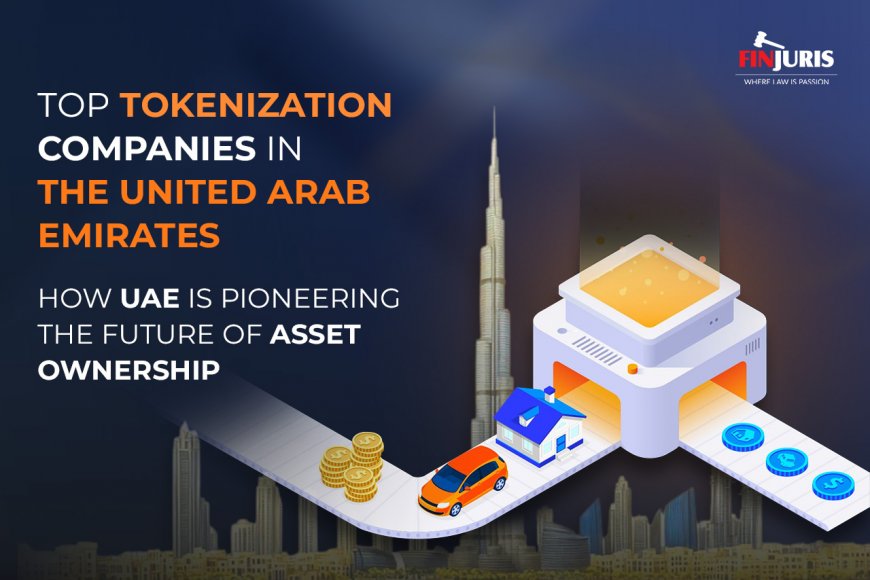
The United Arab Emirates has been at the forefront of global blockchain innovation, digital assets, and tokenization. Tokenization takes precedence in current trends as investors around the world seek new ways to own, trade, and diversify assets. With its progressive regulatory environment, rapidly developing digital infrastructure, and pro-innovation policies, the UAE has become a hotbed for firms offering tokenization services related to everything from real estate and commodities to art and investments.
Tokenization is a process wherein ownership rights or economic interests in a physical asset are converted into digital tokens recorded on blockchain. These can denote partial ownership, allowing smaller investors access to high-value assets that were previously accessible only to wealthy individuals or institutions. Properties worth millions can now be divided into hundreds or thousands of tokens, offering lower entry barriers and greater flexibility.
This blog explores the trend of tokenization, how tokenization works, why the UAE is leading the movement, and the new entrants shaping it.
Understanding Real Estate and Asset Tokenization
Tokenization is a process that encodes the rights of a real-world asset into digital tokens stored on blockchain networks. In traditional ownership, one must acquire a property outright; tokenization, on the other hand, splits ownership into fractions represented digitally, thus multiple investors can own pieces of the same asset.
Permitted tokens can be traded, bought, or sold on regulated token exchanges or peer-to-peer platforms that provide liquidity often missing from traditional real estate. Blockchain keeps transparent, tamper-proof records of every transaction, thereby reducing fraud, improving trust, and facilitating transfers.
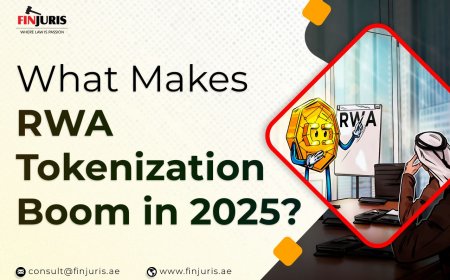
This system represents one of the most promising categories of RWA tokenization, which includes real estate, commodities, art, collectibles, debt instruments, and even intellectual property.
How Tokenization Works
Most of the time, the asset tokenization process follows a certain structured format:
First, the asset is put under a legal entity like an SPV. This separates the asset from other liabilities and provides clarity over the ownership rights.
Second, the legal and regulatory green lights are considered. Tokenized assets may themselves be securities, hence are expected to follow KYC, AML, investor qualification rules, and digital asset regulations.
Thirdly, digital tokens are created on a blockchain platform. These tokens represent a fraction of ownership or economic rights associated with the underlying asset.
The tokens are then made available to the investors on platforms that allow token sales. Investors buy tokens, thereby gaining corresponding rights to income, dividends, or potential appreciation.
Once tokens are issued, investors can either hold them or sell them on secondary markets, depending on the infrastructure provided by the platform.
The whole process transforms real estate or asset ownership into an efficient, transparent, and accessible investment opportunity.
Read More - Tokenized Property in Dubai Explained: Benefits, Laws & Investment Tips
Why Tokenization is Gaining Popularity
Tokenization is beneficial in several ways:
It lowers the entry barriers by enabling small and mid-sized investors to participate in high-value assets.
It enhances liquidity since it can be fractionally traded, whereas conventional real estate could take months to sell.
It enhances transparency because all transactions and ownership transfers are recorded on blockchain.
It enables participation from around the world, with investors across different geographies investing in UAE assets without complex cross-border procedures.
It offers scalability in that different asset types can be tokenized, from residential buildings to commercial complexes, art, or even renewable energy projects.
With its focus on digital transformation, the UAE offers the ideal environment to enable such innovation to flourish.
Read More - Real Estate Tokenization: Revolutionizing Property Investment
Why the UAE Leads the Tokenization Revolution
As such, the UAE boasts one of the most forward-thinking regulatory environments in the world when it comes to blockchain and digital assets. Real estate in the UAE, already attractive to global investors, has become even more appealing with tokenization.
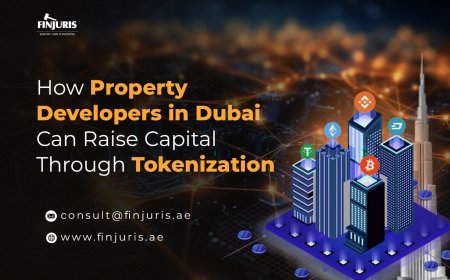
The country has taken the lead in revolutionizing its financial and property sectors. Various companies based in the UAE have introduced various regulated tokenization platforms that facilitate fractional property ownership, investor onboarding, and compliance, and token trading. Real estate tokenization pilot projects have also taken off, ranging from residential units to commercial towers and hospitality properties.
Additionally, high rental yields, strong demand, and economic stability are making tokenized property an increasingly attractive entry point for investment by foreign investors.
Distinguishing Tokenization from REITs and Crowdfunding
While REITs allow investors to buy shares of a real-estate portfolio, tokenization provides direct exposure to specific assets. Rather than buying part of a pooled fund, investors are able to choose which properties they want to hold.
Tokenization also offers more flexibility. Tokens can be traded 24/7 on digital asset platforms, while REITs follow stock market schedules. Using blockchain, ownership transfers, dividend payments, and compliance checks can be automated through smart contracts, allowing far greater efficiency and transparency.
Challenges Facing Tokenization
Yet, tokenization does have its drawbacks.
The regulatory environment is changing. Legal frameworks must be updated to blockchain-based ownership models in real estate, securities, and digital assets.
Liquidity is still low as the secondary markets are yet to develop fully. While tokenization promises ease of trading, demand is still growing.
Technology risks exist whenever smart contracts or blockchain infrastructures have vulnerabilities; development and auditing need to be secure.
Investor education is required; most buyers have never dealt with blockchain-based financial systems.
However, these challenges should lessen considerably with continued innovation and regulatory clarity in place.
The Rise of Tokenization Companies in the UAE
Various companies pioneering tokenization solutions, each with different services such as blockchain development, smart contract creation, fractional ownership platforms, issuance of tokens, and compliance frameworks for assets.
These companies provide end-to-end support, including:
- – token design and blockchain architecture
- - legal and regulatory structuring
- - investor onboarding platforms
- - trading and liquidity solutions
- - payment integrations
- - AML/KYC compliance systems
- - Asset management dashboards
Their work is helping transform the UAE into a regional hub for tokenized investments.
Key Trends Driving Tokenization in the UAE
Institutional participation is on the rise. Real-estate developers, financial institutions, and investment firms are collaborating with tokenization providers.
Smart contract innovation is accelerating. Adoption of blockchain platforms like Ethereum, Polygon, and private ledgers is in progress for token creation, income distribution, and compliance tracking.
Cross-border investment is growing. Tokenization provides effortless exposure to UAE real estate for international investors without needing physical purchases.
Real-world asset tokenization is expanding. Besides property, companies are exploring tokenization of luxury goods, gold, fine art, renewable energy, and corporate debt. The future promises an integrated ecosystem wherein blockchain, IoT, AI, and property management systems come together to build intelligent, automated real-estate platforms.
Is Tokenization the Right Choice for Investors?
Tokenization is ideal for investors seeking fractional exposure, diversification, and lower barriers to entry. It allows global investors to participate in UAE property markets without needing full ownership or physical presence.
Tokenization may also appeal to those valuing liquidity, or the flexibility of digital trading. However, investors seeking full control or legal title should be aware that tokens usually confer economic interest and not land ownership.
Investment in securities always involves risks regarding market fluctuations, changes in regulations, and liquidity constraints.
How Tokenization Could Transform the Real Estate Industry
Tokenization democratizes access to premium assets previously limited to the wealthy. It enhances cross-border capital flow by removing barriers associated with traditional real-estate transactions. It can make property trading faster, more secure, and more efficient.
As tokenized assets continue their integration into mainstream finance over time, investment portfolios could also vary in a mix of digital tokens representing real estate, commodities, and more.
What to Watch in the Coming Years
The pace at which tokenization grows in the UAE will, therefore, be informed by regulatory clarity, the reliability of platforms, secondary market growth, and investor adoption. It could transition from a niche innovation to a standard format of investment with increased participation from institutions and global investors.
Tokenization is shaping the future of worldwide real estate and asset ownership, with the UAE playing a key driver in accelerating this change. The UAE has positioned itself as the global leader in the digital transformation of assets through innovative companies, forward-thinking regulation, and a booming real estate market.
For investors, tokenization provides access, liquidity, transparency, and diversification. It is efficiency, automation, and a new paradigm of digital finance for the industry. As the trend grows, tokenization may change how the world buys, sells, and invests in real-world assets.
The future of tokenization in the UAE will depend on continued regulatory clarity, robust digital infrastructure, seamless platform interoperability, and strong investor education. But the trajectory is clear: tokenization is moving from an experimental concept into a mainstream investment vehicle. As more real-world assets- such as real estate, commodities, art, and finance products- become tokenized, we may witness a new era where digital and traditional finance merge to create an efficient, borderless economic ecosystem.
For businesses, this offers unprecedented opportunities to raise capital, attract investors, and modernize asset management. For investors, it opens pathways to participate in global markets with transparency, liquidity, and reduced friction. And for the UAE, this shift strengthens its position as a leading global hub for innovation, investment, and next-generation financial technologies.
Ultimately, tokenization is more than a trend; it is a foundational pillar of the future digital economy. Those who understand it early- and adapt accordingly- will be best positioned to thrive in the financial landscape of tomorrow.
What's Your Reaction?