What Is Real-World Asset (RWA) Tokenization? A Complete Guide
Learn how to obtain a Crypto Exchange License in the UAE. Understand licensing requirements, regulatory compliance, costs, and the application process for operating a virtual asset exchange legally.
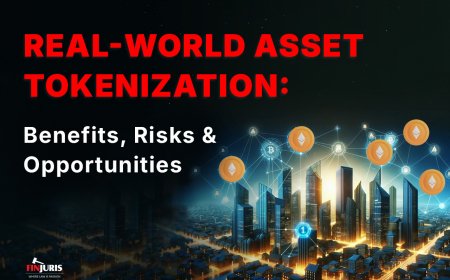
The global financial ecosystem is evolving at an unprecedented pace, fuelled by blockchain technology, digital transformation, and a growing demand for alternative investment opportunities. Among the most transformative innovations emerging from this shift is Real-World Asset (RWA) tokenization.
From real estate and commodities to fine art and intellectual property, real world asset tokenization is redefining how assets are owned, traded, and managed. It enables physical and traditional financial assets to be represented digitally on blockchain networks, unlocking liquidity, accessibility, and efficiency like never before.
Innovation-driven cities like Dubai are rapidly becoming global leaders in this space. The rise of RWA tokenization Dubai reflects how forward-thinking regulation and infrastructure can accelerate adoption and attract global investors.
This in-depth guide explores everything you need to know about RWA tokenization, including how it works, its benefits, real-world applications, challenges, regulatory landscape, and future potential.
What Is Real-World Asset (RWA) Tokenization?
Real-world asset tokenization is the process of converting ownership rights of tangible or traditional financial assets into digital tokens on a blockchain.
Each token represents a portion- or in some cases, the entirety- of an asset. These tokens can then be bought, sold, or traded on digital platforms, just like cryptocurrencies.
In Simple Terms:
Tokenization turns physical assets into digital shares that can be easily transferred and traded.
Types of Assets That Can Be Tokenized:
- Residential and commercial real estate
- Precious metals like gold and silver
- Stocks, bonds, and financial instruments
- Fine art and collectibles
- Infrastructure projects
- Intellectual property (music, patents, copyrights)
- Luxury assets (cars, yachts, watches)
This broad applicability is one of the reasons why RWA tokenization is gaining significant traction globally.
Read more: What Makes RWA Tokenization Boom?
The Evolution of Asset Ownership
Traditionally, investing in high-value assets required substantial capital, involved multiple intermediaries, and often lacked liquidity.
Traditional Model Challenges:
- High entry barriers
- Lengthy transaction processes
- Limited access for global investors
- Illiquid markets
Real world asset tokenization disrupts this model by digitizing ownership and enabling fractional investments.
Example:
Instead of purchasing a $5 million commercial property, an investor can buy tokens worth $5,000 and still gain exposure to the asset.
This shift democratizes investment opportunities and opens markets to a much broader audience.
How RWA Tokenization Works
Understanding how real world asset tokenization works is essential for anyone looking to participate in this space.
-
Asset Selection and Valuation
The process begins with identifying a suitable asset and determining its market value through professional appraisal.
-
Legal Structuring
A legal framework is established to link the physical asset with its digital representation. Often, this involves creating a Special Purpose Vehicle (SPV) that holds the asset.
-
Token Design and Issuance
Digital tokens are created on a blockchain platform. These tokens represent ownership shares of the asset.
-
Smart Contract Integration
Smart contracts define the rules of ownership, transfers, revenue distribution, and compliance.
-
Platform Listing
The tokens are listed on a digital marketplace or platform where investors can purchase them.
-
Secondary Market Trading
Investors can trade tokens on secondary markets, providing liquidity that traditional assets lack.
Read more: Real Estate Tokenization: The Future of Property Investment
Types of Tokens Used in RWA Tokenization
There are different types of tokens used depending on the nature of the asset:
-
Security Tokens
These represent ownership in an asset and are regulated similarly to traditional securities.
-
Utility Tokens
Provide access to a product or service rather than ownership.
-
Asset-Backed Tokens
Directly linked to physical assets like gold or real estate.
-
Non-Fungible Tokens (NFTs)
Used for unique assets such as art or collectibles.
Each token type plays a specific role in the broader ecosystem of real-world asset tokenization.
Key Benefits of RWA Tokenization
-
Fractional Ownership
Investors can own a portion of high-value assets, lowering entry barriers.
-
Enhanced Liquidity
Tokenized assets can be traded more easily compared to traditional assets.
-
Transparency and Trust
Blockchain ensures immutable and verifiable transaction records.
-
Global Accessibility
Anyone with internet access can invest, regardless of location.
-
Reduced Intermediaries
Smart contracts eliminate the need for brokers and reduce costs.
-
Faster Transactions
Settlement times are significantly reduced compared to traditional systems.
-
Portfolio Diversification
Investors can diversify across asset classes that were previously inaccessible.
RWA Tokenization in Dubai: A Global Leader
The rise of RWA tokenization Dubai highlights how innovation-friendly ecosystems can drive adoption.
Dubai has positioned itself as a global hub for blockchain and digital assets through strategic initiatives and progressive regulation.
Key Factors Driving Growth:
-
Regulatory Clarity
Dubai has established frameworks that provide legal certainty for tokenized assets.
-
Government Initiatives
Programs like the Dubai Blockchain Strategy aim to digitize government processes and support innovation.
-
Real Estate Tokenization Boom
Dubai’s real estate sector is one of the most active areas for real world asset tokenization Dubai, attracting global investors.
-
Strategic Location
As a global financial and trade hub, Dubai connects markets across Asia, Europe, and Africa.
-
Innovation Ecosystem
Free zones, accelerators, and funding opportunities support startups in the RWA space.
Real-World Use Cases of RWA Tokenization
-
Real Estate
Investors can buy fractional ownership in residential or commercial properties.
-
Commodities
Gold, oil, and agricultural products can be tokenized for easier trading.
-
Private Equity and Venture Capital
Tokenization allows smaller investors to access private investment opportunities.
-
Infrastructure Projects
Large-scale developments can raise funds through tokenized investments.
-
Art and Collectibles
High-value art can be divided into shares, making it accessible to more investors.
-
Carbon Credits and Sustainability Assets
Tokenization can help track and trade carbon credits efficiently.
Regulatory Landscape of RWA Tokenization
Regulation is a critical component of RWA tokenization.
Global Perspective:
- Some countries have clear frameworks
- Others are still developing policies
- Compliance varies across jurisdictions
Dubai’s Approach:
Dubai has taken a proactive stance by creating regulatory bodies and frameworks that support innovation while ensuring investor protection.
This makes real world asset tokenization Dubai particularly attractive for global businesses.
Challenges and Risks
Despite its advantages, real world asset tokenization faces several challenges:
-
Regulatory Uncertainty (Global)
Different jurisdictions have different rules, creating complexity.
-
Legal Enforcement
Ensuring token ownership translates into legal ownership can be challenging.
-
Technology Risks
Smart contract vulnerabilities and cyber threats are concerns.
-
Market Education
Many investors still lack understanding of tokenization.
-
Liquidity Risks
While improved, liquidity depends on market adoption.
-
Custody and Asset Management
Safeguarding both digital tokens and physical assets is critical.
Integration with DeFi (Decentralized Finance)
One of the most exciting developments is the integration of RWA tokenization with DeFi.
What This Enables:
- Using tokenized assets as collateral
- Earning yield through lending platforms
- Automated financial services without intermediaries
This convergence is expected to unlock new financial models and opportunities.
Technology Behind RWA Tokenization
-
Blockchain Networks
Platforms like Ethereum and others support token creation and management.
-
Smart Contracts
Automate transactions and enforce rules.
-
Oracles
Provide real-world data to blockchain systems.
-
Digital Wallets
Store and manage tokens securely.
Future of Real-World Asset Tokenization
The future of real-world asset tokenization is incredibly promising.
Key Trends:
- Institutional adoption
- Expansion into new asset classes
- Improved regulatory frameworks
- Integration with AI and automation
- Growth of tokenized real estate markets
Experts estimate that trillions of dollars worth of assets could be tokenized in the coming decade.
Why Businesses Should Embrace RWA Tokenization
Companies that adopt RWA tokenization early stand to gain significant advantages.
Business Benefits:
- Access to global investors
- Faster capital raising
- Improved liquidity
- Lower operational costs
- Competitive differentiation
In innovation hubs like Dubai, businesses are already leveraging tokenization to disrupt traditional industries.
How to Get Started with RWA Tokenization
Step 1: Identify the Asset
Choose an asset suitable for tokenization.
Step 2: Understand Regulations
Ensure compliance with local and international laws.
Step 3: Select a Blockchain Platform
Choose a reliable and scalable platform.
Step 4: Partner with Experts
Work with legal, technical, and financial advisors.
Step 5: Develop Smart Contracts
Define rules and automate processes.
Step 6: Launch and Market the Offering
Attract investors and build trust.
Real-world asset (RWA) tokenization is transforming the global financial landscape by bridging the gap between physical assets and digital technology. It democratizes investment, enhances liquidity, and creates new opportunities for both investors and businesses.
With forward-thinking regions like Dubai leading the way, RWA tokenization Dubai is emerging as a powerful force in the future of finance.
As adoption continues to grow and regulations evolve, real world asset tokenization is set to become a cornerstone of the digital economy.
What's Your Reaction?