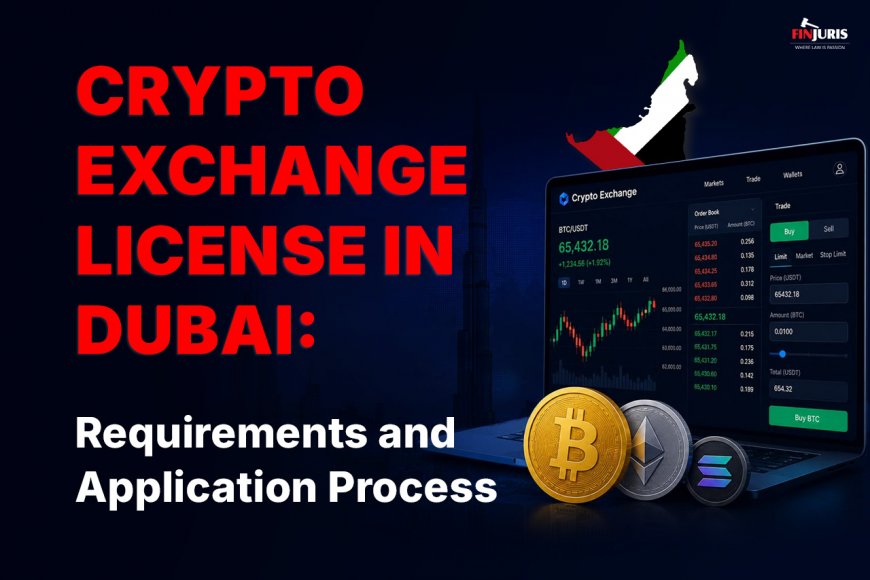
Crypto Exchange License in Dubai: Requirements and Application Process
Dubai is now a top place for companies that deal with virtual assets, like cryptocurrencies, to set up shop.
Dubai is now a top place for companies that deal with virtual assets, like cryptocurrencies, to set up shop. This is because Dubai has created a special set of rules, called the Virtual Assets Regulatory Authority, or VARA for short, that makes it clear how these companies can operate legally. With these rules in place, crypto exchanges that follow them can do business in a safe and legal way.
If you plan to launch a cryptocurrency exchange, obtaining the appropriate VASP licence is a legal requirement before providing exchange services in or from Dubai (excluding the DIFC).
This guide explains the licensing process, regulatory requirements, documentation, costs, and practical considerations for businesses seeking to establish a regulated crypto exchange in Dubai.
Read More: How Can a Foreign Company Get a Crypto License in Dubai?
What Is a Crypto Exchange License?
A crypto exchange licence is the regulatory authorisation that permits a business to operate a platform where customers can buy, sell, or exchange virtual assets.
In Dubai, crypto exchanges are licensed and supervised by VARA under the Exchange Services regulated activity.
The licence demonstrates that the business has satisfied regulatory requirements relating to:
· Corporate governance
· AML/CFT compliance
· Technology governance
· Cybersecurity
· Risk management
· Consumer protection
· Operational resilience
Businesses cannot legally operate a virtual asset exchange without obtaining the required licence from VARA.
Read More: What Is Real-World Asset (RWA) Tokenization? A Complete Guide
Who Needs a Crypto Exchange License?
A licence is generally required for businesses intending to:
· Operate a cryptocurrency trading platform.
· Facilitate the exchange of one virtual asset for another.
· Enable customers to buy or sell virtual assets using fiat currency.
· Match buyers and sellers of virtual assets.
· Platform for trading.
So, you want to set up an exchange that works with people from all around the world, but you still need to get a VARA licence if you're doing business in Dubai or from there. This licence is necessary because it lets you do certain activities that are regulated, and it's required even if your customers are from other countries.
Step 1: Establish a Dubai Legal Entity
Before applying for a crypto exchange licence, applicants must establish an appropriate legal presence in Dubai.
Applications are submitted through:
· Dubai Economy and Tourism, or DET for short, handles things for businesses on the mainland.
· An eligible Dubai free zone (excluding the DIFC).
Companies from other countries can also apply to do business in Dubai, but first, they need to set up a legal entity in the city. It doesn't matter where the company owners are from, as long as they apply through a company that is allowed to operate in Dubai.
Step 2: Obtain Approval to Incorporate (ATI)
VARA follows a two-stage licensing process.
The first stage begins with submitting an Initial Disclosure Questionnaire (IDQ) together with information regarding:
· Business model
· Ownership structure
· Ultimate Beneficial Owners (UBOs)
· Senior management
· Business plan
Following review and payment of the initial application fees, eligible applicants may receive an Approval to Incorporate (ATI).
An ATI allows a company to set up its legal structure and get everything ready to operate, but it doesn't give them permission to start exchanging services just yet. This is just the first step, and they still need to get the green light to begin providing exchange services.
Step 3: Submit the Full VASP Licence Application
Once a company is set up and ready to go, it sends in all the necessary paperwork to get its license.
VARA may then:
· Review governance documents.
· Assess compliance programmes.
· Conduct meetings and interviews.
· Request additional documentation.
· Evaluate technology infrastructure.
· Assess cybersecurity and operational resilience.
Once the applicant has met all of VARA's rules and paid the rest of the fees, they will get their VASP license to offer exchange services, and this license might come with some conditions for how they operate.
Read More: Crypto Exchange CEEX Expands Global Footprint, Targets Dubai Crypto Market Entry
Key Licensing Requirements
Although requirements differ depending on the business model, applicants should generally prepare:
· Corporate incorporation documents
· Governance framework
· Regulatory business plan
· Financial projections
· AML/CFT policies
· Enterprise Risk Management framework
· Technology and Information Security documentation
· Customer agreements
· Fit and Proper assessments
· Organisational structure
· Insurance documentation (where applicable)
· Wind-down and succession plans
VARA might need more details, depending on how complicated the proposed exchange is.
Read More: Crypto Exchange License UAE: A Legal Path To Run Your Crypto Exchange in the United Arab Emirates
How Much Does a Crypto Exchange Licence Cost?
One of the most common questions founders ask is:
"How much does a crypto exchange licence cost in Dubai?"
The total cost depends on several factors, including:
· VARA application fees
· Annual supervision fees
· Company incorporation costs
· Office and operational setup
· Legal and consulting fees
· Technology infrastructure
· Cybersecurity implementation
· Insurance (where applicable)
· Compliance staffing
When you want to use Exchange Services with VARA, you have to pay some fees. First, you pay AED 100,000 to apply for a licence. Then, every year, you pay AED 200,000 to keep being supervised. If you want to do more things that are regulated, you might have to pay extra for a licence extension. These fees are just for the regulations, and don't include the costs of setting up your business, getting legal help, using technology, or running your operations.
Read More: Difficult But Worth Obtaining Crypto Exchange License
Common Mistakes When Applying for a Crypto Exchange Licence
Many businesses underestimate the complexity of establishing a regulated exchange.
Some of the most common mistakes include:
Choosing the Wrong Licensed Activities
People often think they just need a licence for exchange services, but that's not always the case.
But the type of business can affect what other regulated activities are needed, like services for brokers and dealers, keeping assets safe, or managing and investing money.
Getting a good understanding of the laws and rules from the start is really important. It helps figure out what kind of official approvals are needed.
Using Generic Compliance Documents
VARA expects governance documents to accurately reflect the applicant's business operations.
Policies copied from generic templates rarely satisfy regulatory expectations.
Underestimating Technology Requirements
A crypto exchange must demonstrate appropriate governance over:
· Matching engine operations
· Wallet infrastructure
· Cybersecurity controls
· Operational resilience
· Incident response
· Information security
· Third-party outsourcing arrangements
Technology governance forms a significant part of VARA's assessment.
Delaying Senior Appointments
Applicants should appoint experienced directors, senior management, compliance officers, and MLROs early in the licensing process.
These individuals play an important role in demonstrating operational readiness.
Focusing Only on Licensing
Obtaining a licence is only one step.
Companies need to get ready for constant checks from regulators and make sure they follow the rules even after they've been approved.
Ongoing Compliance Requirements
Receiving a crypto exchange licence is not the end of the regulatory journey.
Licensed exchanges are expected to maintain effective systems covering:
· Corporate governance
· AML/CFT compliance
· Enterprise risk management
· Information security
· Market conduct
· Client asset protection
· Internal policies and procedures
· Regulatory reporting
· Ongoing staff competency and training
Exchange Service providers must comply not only with VARA's compulsory rulebooks but also with the Exchange Services Rulebook, which contains additional operational requirements relating to market integrity, client protection, settlement, pricing methodologies, and public disclosures.
Read More: Choosing the Right Cryptocurrency Attorney in Dubai: Key Factors to Consider
Why Professional Legal Advice Is Important
Launching a regulated crypto exchange involves significantly more than company incorporation.
Businesses must establish appropriate legal structures, identify the correct regulated activities, prepare governance documentation, implement compliance frameworks, and engage effectively with the regulator throughout the licensing process.
Experienced legal advisors can assist with:
· Determining the appropriate licensing strategy.
· Preparing governance and compliance documentation.
· Drafting customer agreements and disclosures.
· Advising on Exchange Services requirements.
· Managing regulatory engagement.
· Responding to VARA information requests.
· Supporting operational readiness before launch.
Early legal planning can reduce delays and improve the quality of the overall application.
Dubai remains a top spot for starting virtual asset exchanges that follow the rules. This is because it has a special set of regulations and a business environment that helps companies grow.
Getting a license to run a crypto exchange is not easy and needs to be thought out carefully. It requires a lot of paperwork, good management, and constant checks to make sure everything is okay. Companies should not think of getting a license as just a one-time thing, but as the starting point for building a strong and well-run virtual asset business that will last. This means they need to have a good plan in place and be ready to keep following the rules and regulations all the time.
Read More: Crypto Exchange CEEX Expands Global Footprint, Targets Dubai Crypto Market Entry
Frequently Asked Questions
1. What is a Crypto Exchange Licence in Dubai?
A Crypto Exchange Licence authorises a business to provide Exchange Services involving virtual assets in or from Dubai under VARA's regulatory framework.
2. Who regulates crypto exchanges in Dubai?
The Virtual Assets Regulatory Authority (VARA) regulates and supervises virtual asset exchanges operating in or from Dubai (excluding DIFC).
3. How do I apply for a Crypto Exchange Licence?
Applicants must establish a Dubai legal entity, complete VARA's two-stage licensing process, submit the required governance and compliance documentation, and satisfy VARA's regulatory assessment.
4. How much does a Crypto Exchange Licence cost?
To set up an exchange service, you'll need to pay a licence application fee of AED 100,000. On top of that, there's an annual supervision fee of AED 200,000. And let's not forget the costs of forming and running the company itself. All these expenses add up, making it a significant investment to get started with exchange services.
5. Can foreign companies obtain a Crypto Exchange Licence?
So, if a company from another country wants to do business in Dubai, they can apply to set up shop after they've taken care of the legal stuff and gotten the necessary licenses from VARA.
6. Can one licence cover multiple virtual asset activities?
Yes. VARA allows applicants to aggregate multiple regulated activities under a single overarching VASP licence, subject to applicable requirements.
7. Can I start operating after receiving an Approval to Incorporate (ATI)?
So, just to be clear, an ATI only allows a company to set up and get ready to operate, but it can't actually start doing any regulated exchange activities until it gets the full VASP license from VARA. That's when the real work can begin.
8. What documents are required for a Crypto Exchange Licence?
Applicants generally submit a business plan, governance framework, AML/CFT policies, technology documentation, financial projections, customer agreements, organisational information, and supporting compliance documentation.
9. Does VARA publish a list of licensed crypto exchanges?
Yes. VARA maintains a public register listing licensed VASPs and applicants holding In-Principle Approval, including businesses authorised to provide Exchange Services.
10. Why should businesses engage legal advisors during the licensing process?
Legal advisors help businesses identify the correct regulated activities, prepare compliant documentation, establish governance frameworks, manage regulatory engagement, and reduce delays throughout the licensing process.
What's Your Reaction?