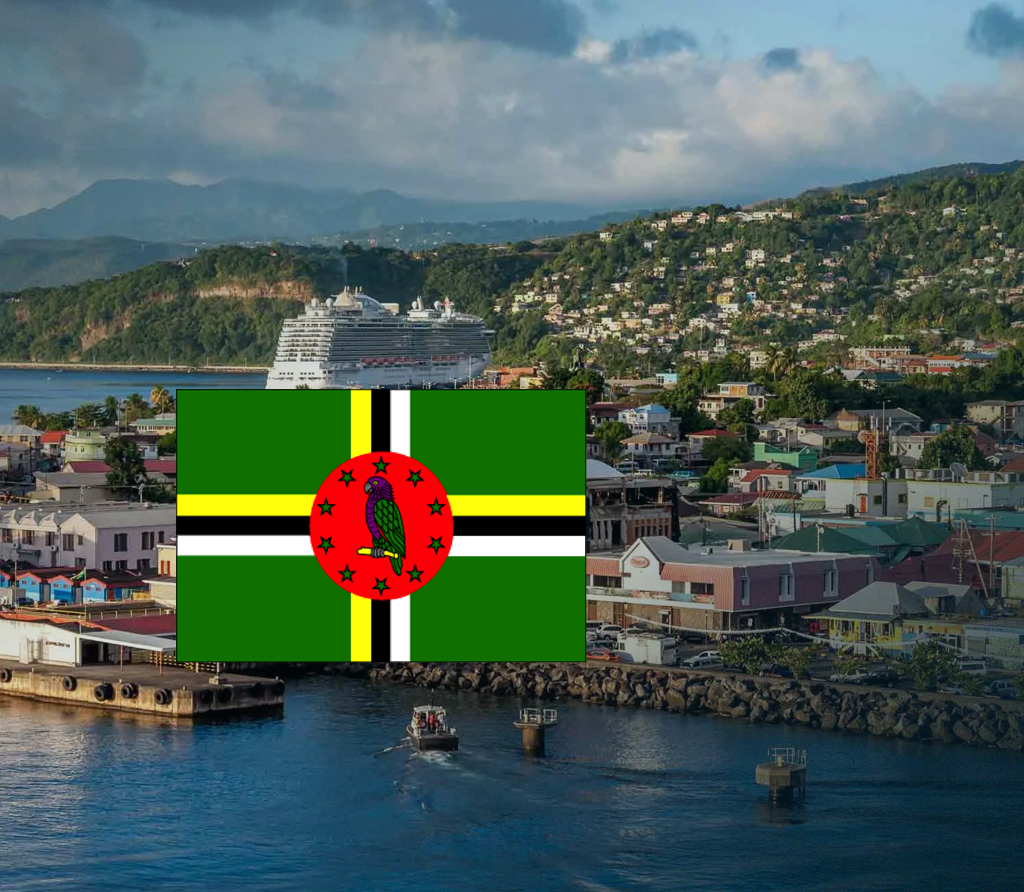
Commonwealth of Dominica · Offshore Framework

Forex Company in Dominica

Finjuris establishes and structures Commonwealth of Dominica forex and CFD companies, with a clear account of the jurisdiction’s offshore framework and what registration provides — and what it does not.
1–2 mo
Formation Timeline
~$100K
Indicative Capital
0%
Foreign-Source Tax
IBC
Corporate Vehicle
Read This First

The Position in Clear Terms

A Dominica forex company is an International Business Company established under the jurisdiction’s offshore legislation. It may carry on forex and CFD activity directed at clients outside Dominica within a low-regulation, tax-neutral framework.

Forex brokerage in Dominica is not subject to the prudential supervision that characterises a licensed regime. The value of the jurisdiction lies in its offshore company framework, confidentiality and banking heritage — not in regulatory authorisation.

Where the objective is to serve regulated retail markets or to present a supervised status, Dominica alone will not provide it, and Finjuris will advise accordingly.

Not sure if Dominica suits your model?

Request an Assessment
Important Distinction

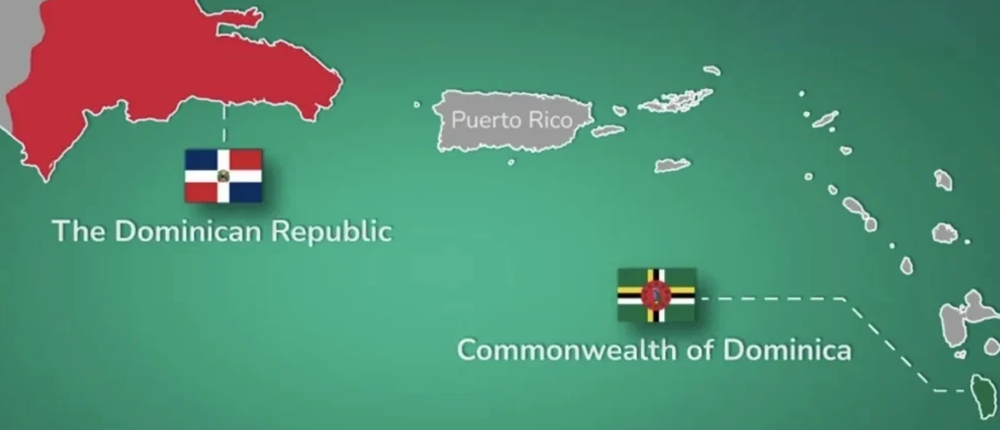
Commonwealth of Dominica ≠ Dominican Republic

The Commonwealth of Dominica is a separate Eastern Caribbean island state, distinct from the Dominican Republic in the Greater Antilles. This page concerns the Commonwealth of Dominica exclusively.

Practical Use Cases

Where a Dominica Company Fits

When properly structured, a Dominica company can serve as a practical corporate building block within a broader international brokerage framework, rather than functioning as a standalone regulatory authorisation. It is appropriate for defined objectives:

  • Operators serving clients outside Dominica in markets that do not require local regulatory authorisation, subject to the rules of each market served.
  • Cost-effective market entry for new or proof-of-concept operations ahead of a supervised license.
  • Structures valuing confidentiality and offshore banking, for which Dominica has a long-standing reputation.
  • Group and holding purposes within a wider structure whose regulated activity is conducted elsewhere.

Where the objective is to serve regulated retail markets or to present a supervised status, Dominica alone will not provide it, and Finjuris will advise on appropriate licensed jurisdictions instead.

What the Structure Offers

Characteristics of a Dominica Offshore Company

Tax Neutrality

Offshore entities benefit from a favourable regime on foreign-source income — generally nil local taxation on internationally sourced profits, subject to conditions.

Confidentiality

A strong tradition of corporate privacy, within the bounds of applicable international transparency standards.

Established Offshore Banking

A developed international banking sector and a long-standing reputation for serving international clients — a practical advantage when onboarding payment rails.

Cost-Effective Framework

Formation and maintenance costs below European and mid-tier licensed jurisdictions — a suitable base for early-stage or holding structures.

Common-Law System

An English-language, common-law legal framework providing predictability for international operators and their advisers.

Formation Requirements

Requirements and Formation

Although there is no forex license to apply for, a Dominica forex company must still be properly established and — critically — capable of securing banking and payment services, and of evidencing authorisation in markets where this is required.

Requirement Specification
Registered Entity A Dominica International Business Company established under the offshore legislation.
Registered Agent & Office A registered agent and registered office in Dominica.
Director & Shareholder At least one director and one shareholder; non-resident parties permitted.
Capital & Fees Indicative figures cited in the market include a minimum capital around US$100,000 and annual costs from approximately US$5,000 — to be confirmed for the specific case.
Out-of-Jurisdiction Operation Activity directed at clients outside Dominica.
Accurate Client Disclosure Clear statements that the company is registered within an offshore framework, not authorised by a forex regulator.
AML/CFT Framework Customer due diligence, monitoring and reporting policies.
Due-Diligence Pack Identity and address verification for directors, shareholders and beneficial owners.
Formation Process

Formation and Operational Timeline

Formation is efficient; banking and payment onboarding determine the realistic overall timeline. Finjuris manages all phases with a focus on bankability from the outset.

Stage 1

Formation

Approx. 1–2 months
  • Incorporate the IBC with registered agent and office.
  • Confirm the role of the Dominica entity within your overall structure.
Stage 2

Compliance Preparation

Concurrent
  • Implement AML/CFT policies, accurate status disclosures and supporting documentation.
  • Prepare business plan and client-facing documentation.
Stage 3

Banking & Payments

The Principal Stage
  • Onboard banks, electronic money institutions and payment processors prepared to work with the structure.
  • Enhanced due diligence is standard; preparation is what makes it succeed.
Stage 4

Commencement

Ongoing
  • Activate operational and platform arrangements and begin trading activity.
  • Maintain ongoing AML obligations and corporate good standing.

Plan your Dominica structure, banking included.

Speak to Finjuris
Tax Treatment

Taxation

Tax / Item Rate Notes
Foreign-Source Income (Offshore Entity) Favourable / Nil Offshore entities benefit from minimal local taxation on foreign-source income; confirm the current treatment.
Local-Source Income Taxable Income sourced within Dominica is subject to local tax.
Confidentiality Regime Maintained Within applicable international transparency standards.

Dominica offshore entities benefit from a favourable regime on foreign-source income. The effective position for any group depends on management and on the residence of the owners.

Tax neutrality at the level of the entity does not determine the position of its owners, which is governed by controlled-foreign-company and management-and-control rules in their countries of residence. Finjuris structures the arrangement so the intended outcome is supportable.

This is general information, not tax advice. Outcomes depend on source, management, residence and the rules in force at the time; obtain tailored advice before relying on any figure.

Our Approach

Why Work With Finjuris

Dominica is straightforward as a structure but easily overstated as a “license.” Finjuris approaches it with precision.

Accurate Positioning

We set out what the structure provides and ensure your communications describe its status correctly — protecting you from regulatory exposure in target markets.

Confirmed Figures

We verify the capital and fee arrangement applicable to your case rather than relying on indicative market figures that may not reflect your specific structure.

Banking-Led Structuring

We prepare the compliance framework and documentation that support banking for an offshore brokerage — the step where most setups fail.

Structural Perspective

We position Dominica within a wider plan and recommend a supervised jurisdiction where regulatory standing is required.

FAQ

Frequently Asked Questions

Dominica is used as an offshore company structure for forex purposes rather than as a supervised forex license comparable to a tier-one or established mid-tier regime. Its value lies in the offshore framework, confidentiality and banking heritage.

No. The Commonwealth of Dominica is a separate Eastern Caribbean island state, distinct from the Dominican Republic in the Greater Antilles. This page concerns the Commonwealth of Dominica exclusively.

Indicative figures cited in the market include a minimum capital around US$100,000 and annual costs from approximately US$5,000, but these reflect provider arrangements and should be confirmed for your specific case.

Yes, where activity is directed at clients outside Dominica and conducted within the offshore framework. Operations remain subject to the rules of each market served.

Formation commonly takes around one to two months. Banking and payment onboarding then determine the realistic overall timeline.

Offshore entities benefit from a favourable regime on foreign-source income; locally sourced income is taxable. The owners’ position depends on residence and controlled-foreign-company rules.

Yes, with preparation, and Dominica’s banking heritage can assist. Banks nonetheless apply enhanced scrutiny to offshore brokerages, so a sound compliance framework and accurate disclosure of status are essential.

No. The structure carries no supervised status. Where regulated standing is required, a licensed jurisdiction is necessary, which we can establish alongside or instead of the Dominica company.
Get Started

Establish Your Dominica Company With Finjuris

Planning to establish an international brokerage? Finjuris advises clients on licensing strategy, corporate structuring, governance, compliance and regulatory implementation — ensuring your structure is built on accurate foundations from day one.

Establish your structure on accurate foundations.

Request a Free Consultation